WESTMONT DOWNTOWN | GROTENHUIS NURSING
Program Information
The Westmont Downtown Grotenhuis Nursing Program offers undergraduate and graduate pathways through the Accelerated Bachelor of Science in Nursing Program (ABSN), Undergraduate Fast-Track in Nursing Program, Master’s Entry Program in Nursing (MEPN), and the Master of Science in Nursing (RN-MSN). The ABSN and MEPN programs prepare individuals with a non-nursing bachelor’s degree to enter the profession at an accelerated and advanced level, while the Undergraduate Fast-Track is designed for high school and transfer students, and the RN-MSN supports registered nurses in expanding their leadership and impact in healthcare.
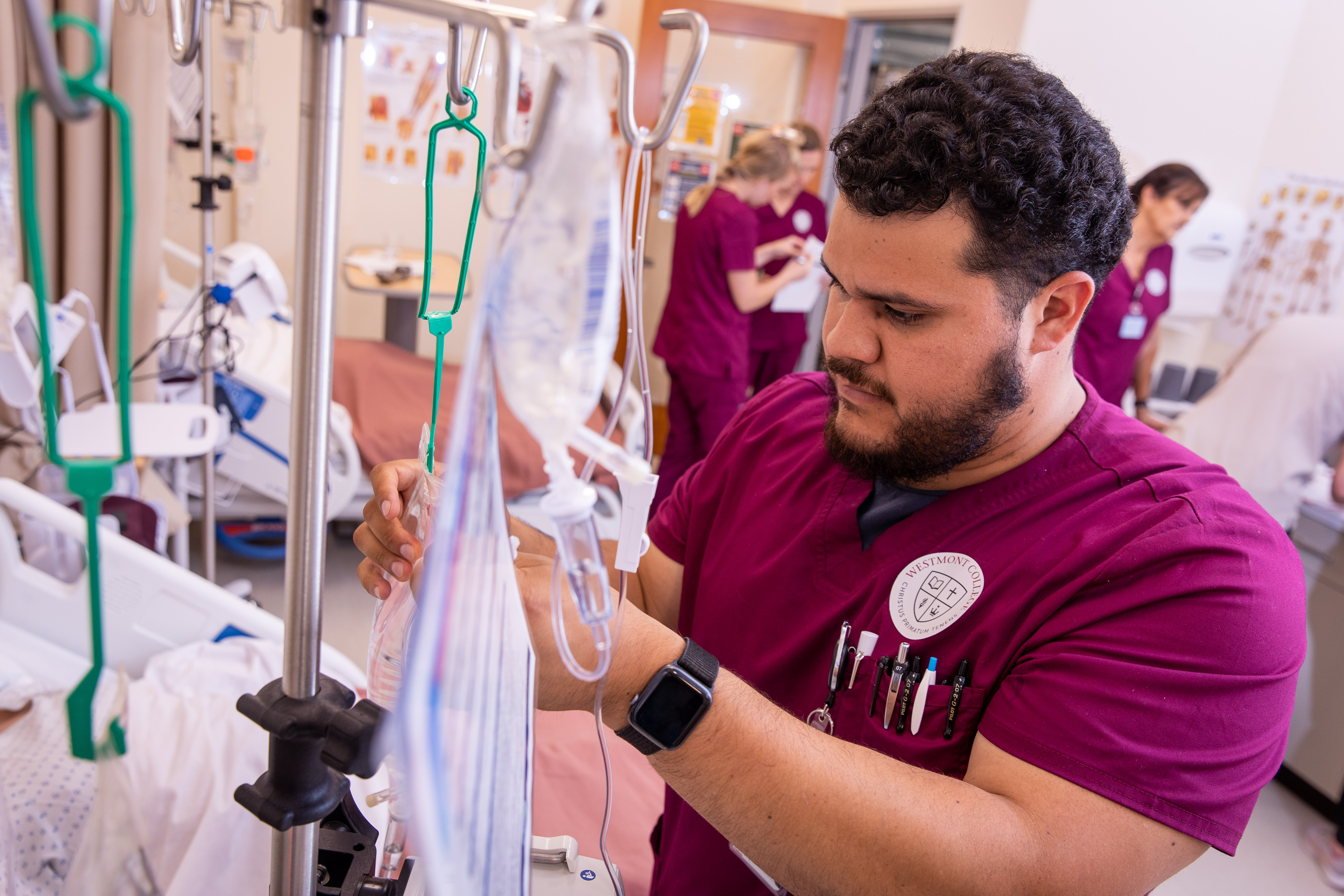
Grounded in a Christian liberal arts tradition, all programs cultivate compassion, ethical leadership, and a strong sense of vocation. The curriculum integrates rigorous nursing science with clinical practice, emphasizing systems leadership, quality improvement, and evidence-based care. Through simulation and clinical immersion, students are prepared to lead interprofessional teams, improve patient outcomes, and influence healthcare delivery across diverse settings.
Mission Statement
Westmont College
Westmont College is a Christian, liberal arts community serving God's kingdom by cultivating thoughtful scholars, grateful servants and faithful leaders for global engagement with the academy, church and world.
Westmont Downtown Grotenhuis Nursing Program
To cultivate faithful servant nurse leaders within a Christian, liberal arts community who provide holistic, compassionate, and evidence-based care for diverse individuals and communities across the lifespan, serving locally and globally for the healing and flourishing of the world.
Program Learning Outcomes
1.
Knowledge for Nursing Practice: Apply nursing theory and research-based knowledge, drawing from nursing, arts, humanities, and sciences, to exercise clinical judgment aligned with the nursing process across diverse care settings while integrating Christian principles of compassion and empathy.
2.
Person-centered Care: Communicate effectively and compassionately in the assessing, analyzing, planning, delivery and evaluation of high quality person-centered care. Create patient plans of care and provide care that is culturally congruent, acknowledges the patient as a partner in care and incorporates the family support system and healthcare team.
3.
Population Health: Integrate public health principles and competencies for population management, collaborating with various stakeholders and applying current community/public health frameworks to develop, implement, and evaluate community-based activities.
4.
Scholarship for Nursing Practice: Access and critically appraise evidence-based studies for practical application within diverse populations and healthcare settings, guided by Christian ethics and values.
5.
Quality and Safety: Apply quality improvement principles, contributing to a culture promoting patient safety, identifying actual or potential unsafe work environments.
6.
Interprofessional Partnerships: Collaborate with the interprofessional team, patients, families, and communities, employing established tools and techniques to improve health outcomes while upholding Christian values of teamwork, empathy, and respect.
7.
Systems-based Practice: Understand the U.S Healthcare system and its impact on the delivery of equitable healthcare across diverse populations and settings, recognizing the relationships between organizations, external systems, and payers.
8.
Information and Healthcare Technology: Utilize information and communication technologies to gather, document, and review data, ensuring safe, ethical, and professional care across diverse populations and settings among providers, patients, and all system levels.
9.
Professionalism: Exhibits professionalism in nursing practice, emphasizing competence, honesty, integrity, and respect for diverse values and beliefs. Cultivating a strong sense of professional accountability and identity, embracing the nursing profession, while complying with relevant laws, policies, and regulations.
10.
Personal, Professionals, Leadership Development: Display actions aligned with a capacity to engage in self-reflection and servant leadership, continued lifelong learning through a spirit of inquiry across the four spheres of care, and an ongoing commitment to personal well-being.
Program Cost
The ABSN program costs $74,000.
The MEPN program costs $129,000.
The RN-MSN program costs $38,000.
For information on ABSN Financial Aid, visit Nursing Financial Aid.
APPLICATIONS ARE NOW BEING ACCEPTED
COHORT START DATES
2026 | 2027 | 2028 | |
Spring | JANUARY 12 | JANUARY 11 | JANUARY 10 |
Summer | MAY 11 | MAY 10 | MAY 8 |
Fall | AUGUST 31 | AUGUST 30 | AUGUST 28 |
ㅤ
WESTMONT ABSN ALUMS HAVE GONE ON TO LEADING MEDICAL CENTERS LOCALLY AND ACROSS THE COUNTRY.
“Westmont’s nursing program equipped me for my first nursing job in the ICU at Cottage more than I could have imagined. I had a job offer immediately after completing the program! The nursing instructors invest and care about their students and our futures as nurses. Starting out in critical care as a new nurse is not easy, but thanks to my amazing instructors I have felt prepared and confident in my role.”
– Grace ’22, ABSN graduate
Poised to Serve in the Heart of Santa Barbara
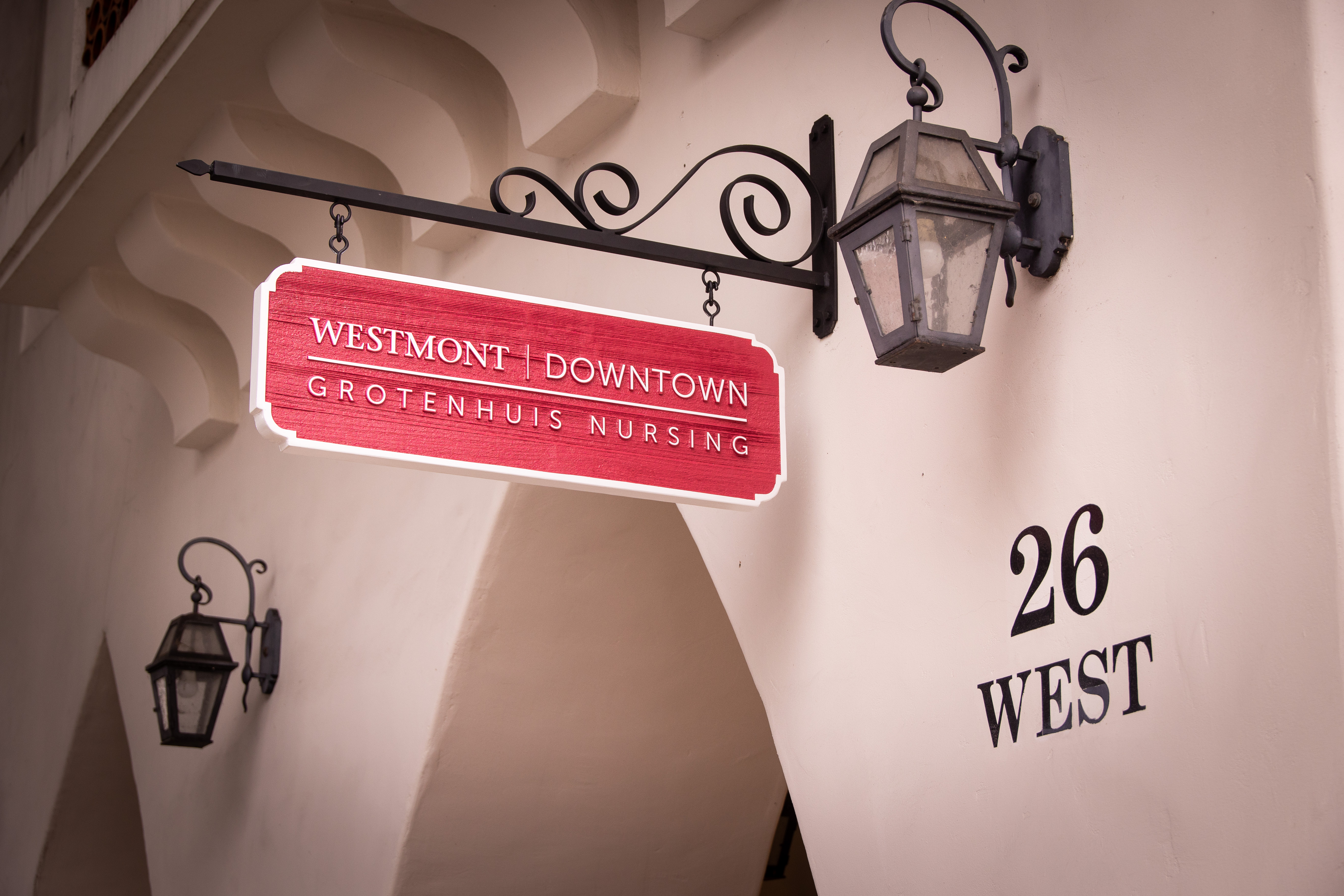
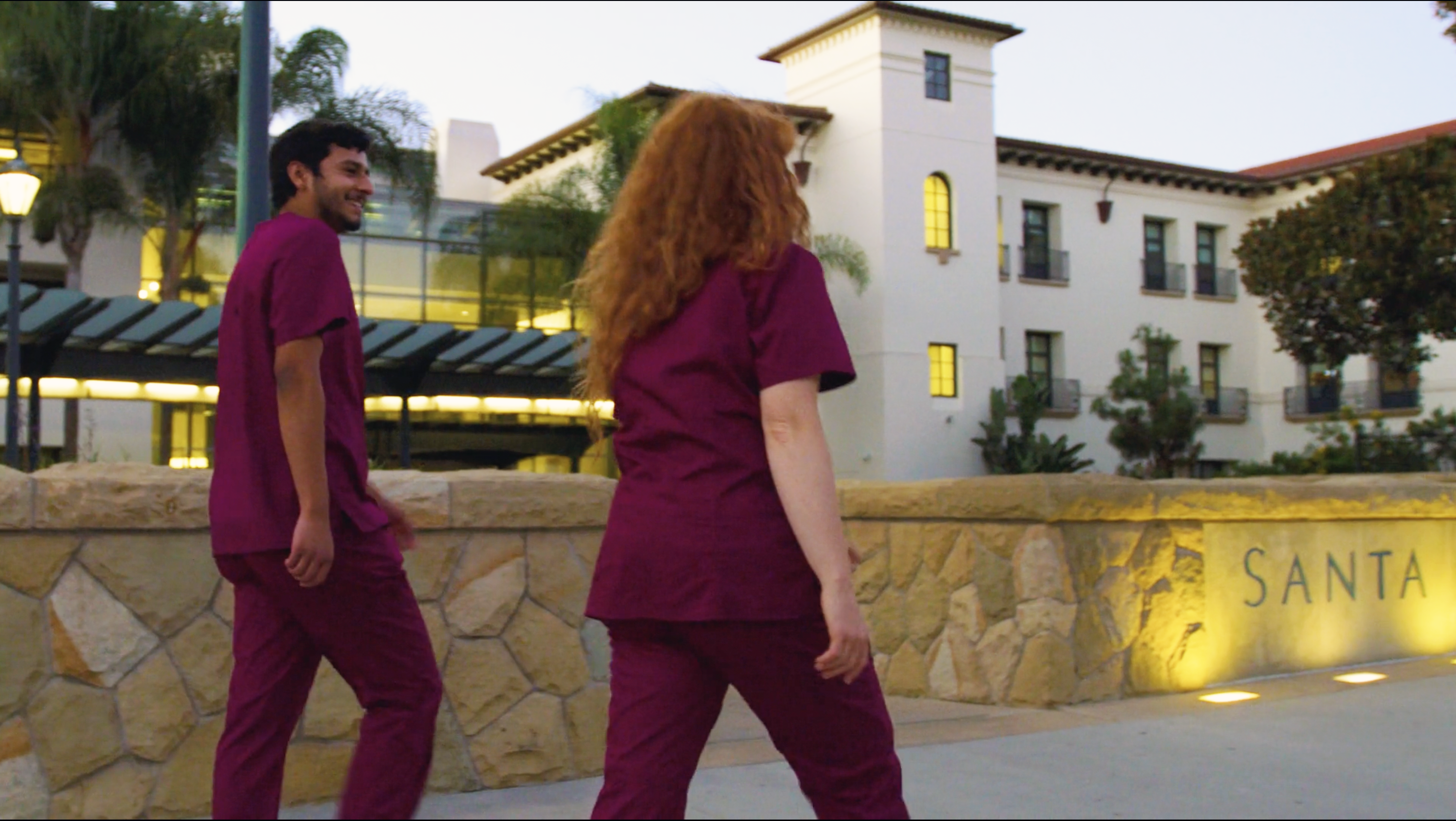
The Westmont Downtown Grotenhuis Nursing Program is located in the heart of downtown Santa Barbara. The downtown building features a state-of-the-art simulation lab, a team-based learning environment and progressive healthcare facilities to support an accelerated nursing program. The convenient location provides students with easy access to their clinical rotations throughout the Santa Barbara area.